NexaStack Technologies, home

NextCart

Demonstration

A Next.js commerce application connecting a Sanity product catalog with shopping filters, a persistent cart and wishlist, and Stripe checkout integration.

NextCart is a Next.js commerce application with a Sanity catalog, persistent cart and wishlist, Clerk authentication, and Stripe checkout integration.

The problem this project addresses

An online storefront needs to connect product discovery, shopping state and order records while giving content editors a way to maintain the catalog. NextCart explores that workflow in a single application backed by managed services.

Project objectives

  • Publish products, categories, brands and editorial content from a structured CMS.

  • Support product discovery and preserve cart and wishlist choices between visits.

  • Connect checkout completion with order records and stock updates.

Target users

Shoppers browsing and purchasing products, returning customers reviewing orders, and content editors maintaining the Sanity catalog.

Solution overview

A Next.js App Router storefront uses Sanity queries for product and blog content, Zustand for shopping state, Clerk for identity, and a server action to create Stripe Checkout sessions. A webhook handler creates Sanity orders and attempts stock adjustments after checkout completion.

Major features

  • CMS-driven products, categories, brands, deals and product detail pages.

  • Product search plus category, brand and price-range filters.

  • Persistent cart quantities and wishlist toggles through Zustand persist.

  • Clerk sign-in integration and a customer order page queried by Clerk user ID.

  • Stripe Checkout session creation and signature-verified webhook processing for order creation, invoice references and stock updates.

  • Sanity Studio at /studio with product, order, category, brand, blog and author schemas.

  • Blog listings and article detail pages powered by Sanity content.

Technology stack

  • Next.js
  • React
  • TypeScript
  • Tailwind CSS
  • Sanity
  • Clerk
  • Stripe
  • Zustand

System architecture

Next.js 16 and React provide the storefront and server runtime in one repository. TypeScript types connect Sanity schemas, GROQ queries and the shopping store. Tailwind CSS and Radix-based UI components form the interface. Server actions create checkout sessions; a Route Handler processes Stripe events; Sanity stores catalog and order documents. There is no separate Express backend in this project.

Application workflow

  • Browse the shop, search products or narrow the catalog by category, brand and price.

  • Save favorites, adjust cart quantities, then request a hosted Stripe checkout session.

  • The checkout-completed webhook records an order and attempts stock updates; the customer order view displays stored status and invoice information.

  • Editors maintain catalog and blog documents in the embedded Sanity Studio.

Technical challenges and solutions

  • Challenge

    Keeping shopping selections across reloads without coupling the cart to every page.

    Solution

    A shared Zustand store persists cart items and favorites and centralizes quantity, removal and reset operations.

  • Challenge

    Connecting a payment event to catalog references and customer order history.

    Solution

    Checkout metadata carries product and customer references. The signature-verified webhook maps Stripe line items to Sanity product references and creates an order with invoice data. Duplicate-event handling and atomic stock changes still need hardening.

Security approach

Clerk supplies identity and the Stripe webhook verifies its signature against the raw request body. Production hardening remains necessary: the reviewed checkout action accepts submitted product prices and customer metadata, and the route-protection middleware continues after caught errors. These code paths do not establish production-safe authorization or payment integrity.

Screenshots

NextCart e-commerce homepage featuring promotional products and shopping categories.

Development status

Demonstration project with implemented commerce integrations and unresolved production-hardening work. Live payment completion, webhook delivery, Sanity permissions and deployed availability were not verified. Order statuses are stored CMS values, not evidence of a carrier tracking integration.

Project results

NextCart demonstrates the integration of content management, shopping state, identity and payment-related server code. The portfolio does not claim real sales, completed production payments, business results or a production security review.

Live website and repository

Live demo availability has not been verified. Explore the source and documentation on GitHub.

Related services

  • MERN and Next.js application development

    Full-stack web applications with React, Node and MongoDB: authentication, dashboards, data-driven interfaces and everything behind them.

    • Next.js
    • React
    • Node.js
    • MongoDB Atlas
  • Backend and API development

    REST APIs with validated inputs, proper error handling and documentation — built to be integrated with, not just to work once.

    • Node.js
    • Express.js
    • MongoDB Atlas
    • Mongoose

Explore more projects

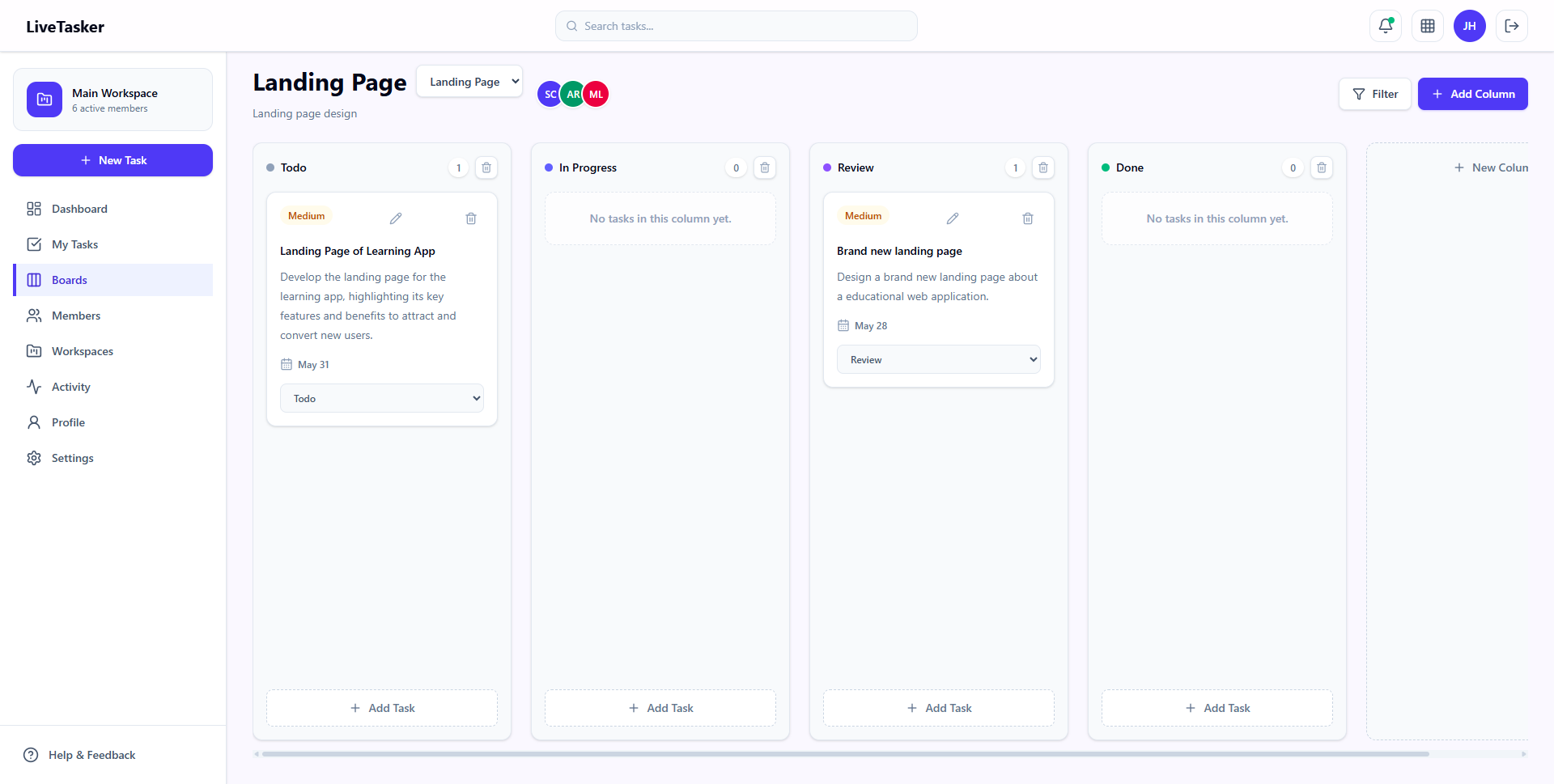
  • LiveTasker task board with Todo, In Progress, Review and Done columns

    LiveTasker

    Demonstration

    Team collaboration

    A team collaboration application with shared workspaces, drag-and-drop task boards, member management, and real-time updates.

    • React
    • TypeScript
    • Tailwind CSS
    • Express
    • MongoDB
    • Socket.IO
    • TanStack Query
    • Zustand
All portfolio projects

Interested in something similar?

Tell NexaStack Technologies what you’re building and get a project-specific quote scoped around it — whether that’s a job portal, another multi-role application, or something else entirely.

Request a Quote